HVO at Avesco Rent
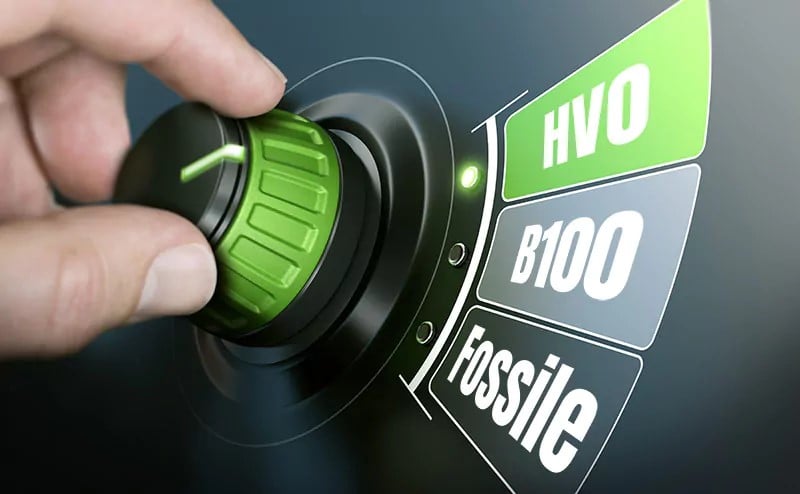
We offer HVO as a sustainable and alternative solution to diesel.
Made from renewable materials, this biofuel reduces CO₂ emissions while remaining compatible with our equipment.

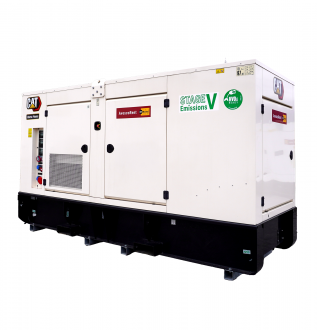

HVO: A Cleaner Fuel for Diesel Engines
What is HVO?
HVO, or Hydrotreated Vegetable Oil, is a biofuel derived from plant or animal fats, such as soybean or rapeseed oil. During its production, hydrogen is added to the oils, transforming them into a fuel very similar to conventional diesel.
Moreover, HVO can be used directly in existing diesel engines. It requires no modifications, making it easy to adopt quickly on worksites and in professional fleets.
What are the benefits of HVO?
One of the main advantages of HVO is its ability to reduce carbon dioxide emissions. The raw materials used absorb CO₂ during their growth, which helps offset a portion of the emissions from combustion.
In addition, HVO produces fewer pollutants, such as nitrogen oxides and fine particles, improving air quality especially in urban areas. Finally, because it comes from renewable resources, HVO reduces dependence on fossil fuels and supports the transition to cleaner energy.
HVO or Biodiesel: What Are the Differences and How Is It Supplied?
Differences Between HVO and Biodiesel
HVO differs from biodiesel in its production process and performance. While both are derived from renewable biomass, HVO is produced through hydrogenation. This process gives it excellent chemical stability and makes it very similar to fossil diesel.
In contrast, biodiesel is produced through transesterification, which makes it more prone to oxidation. As a result, HVO has a longer storage life, reduces soot emissions, and helps protect engines from clogging.
HVO Refueling: Simple and Flexible
Refueling with HVO is simple and flexible. It can be used pure or blended with diesel in any proportion. Additionally, no technical adjustments or prior tank cleaning are required.
This makes the transition to a cleaner fuel hassle-free, both for infrastructure and for users.