All-electric site
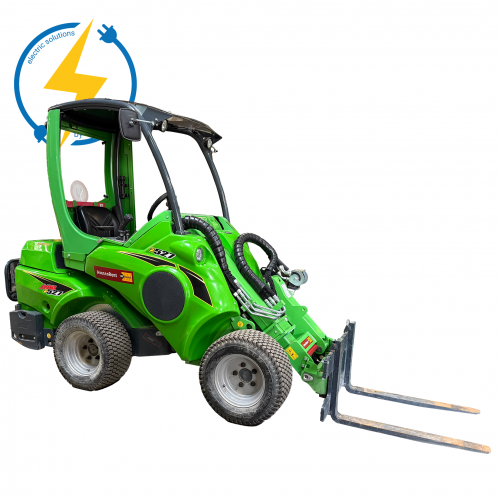
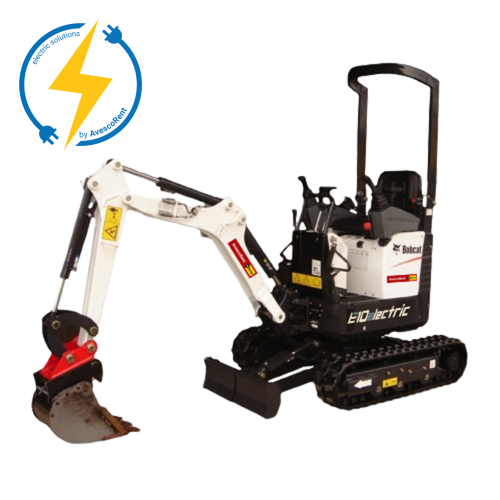
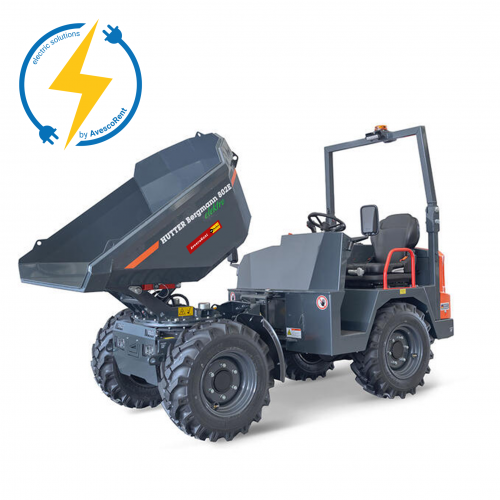
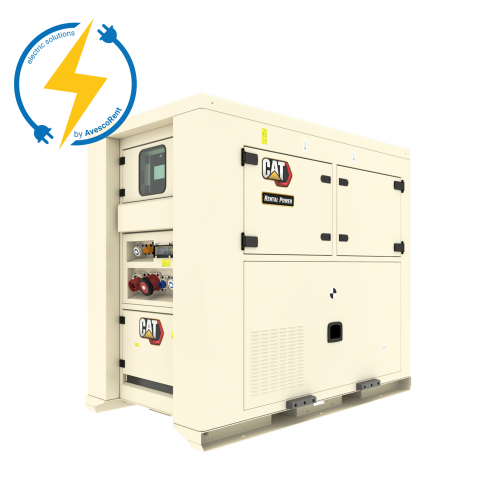
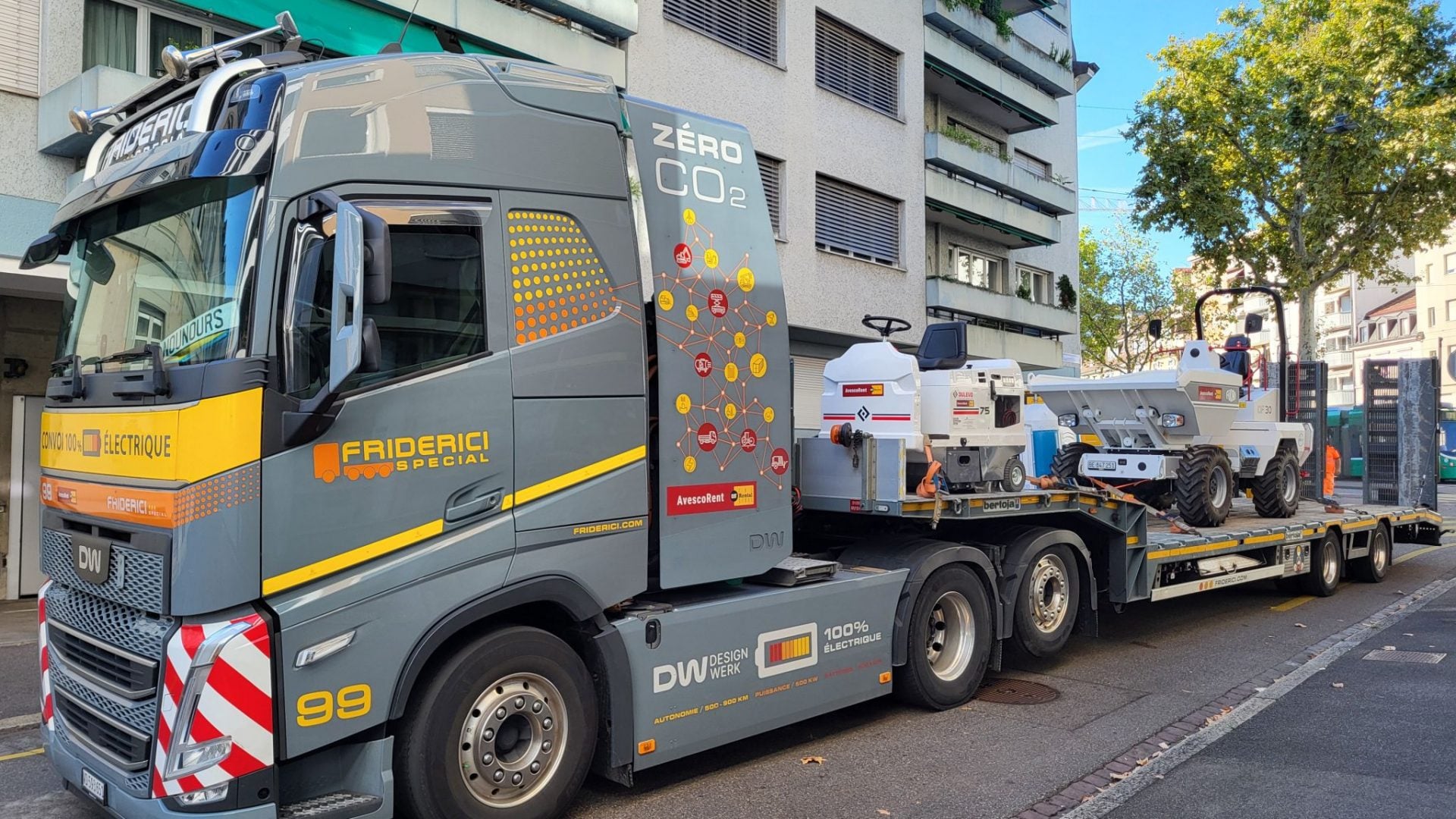
the launch of an all-electric worksite in Basel
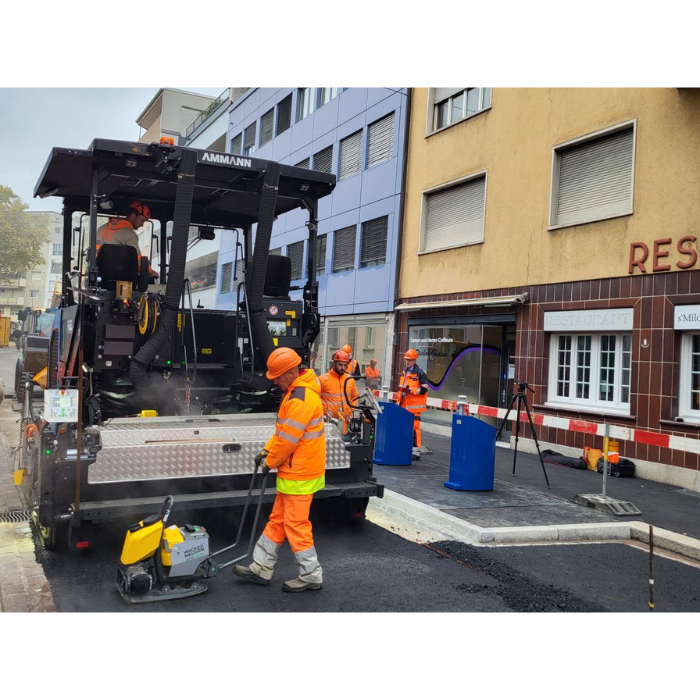
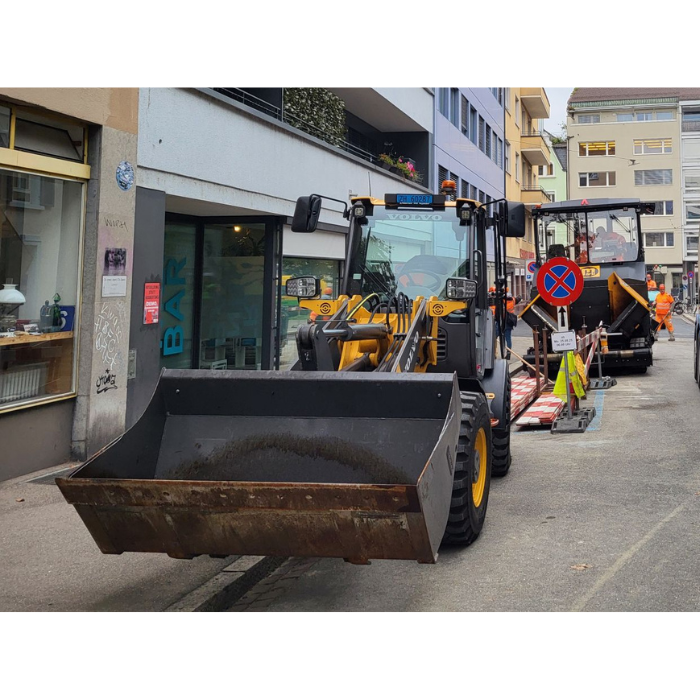
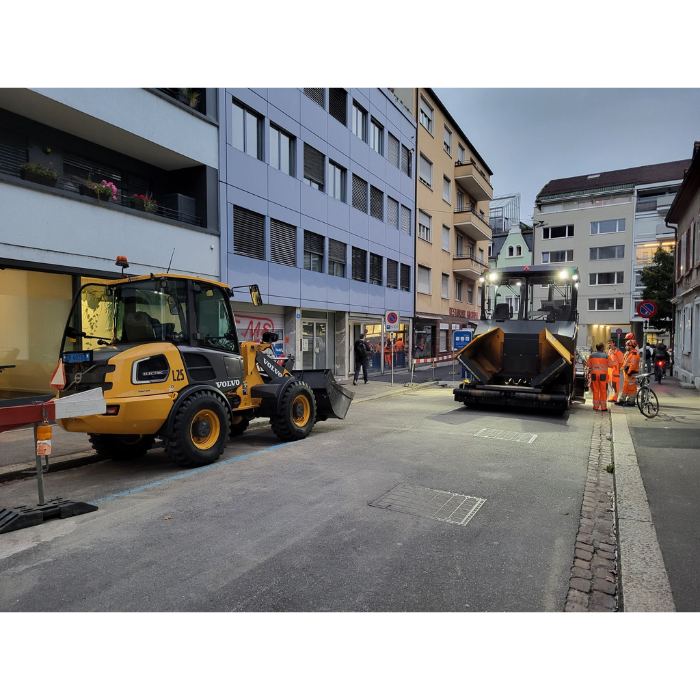
Electrification of urban construction sites (Research at Lucerne University of Applied Sciences)
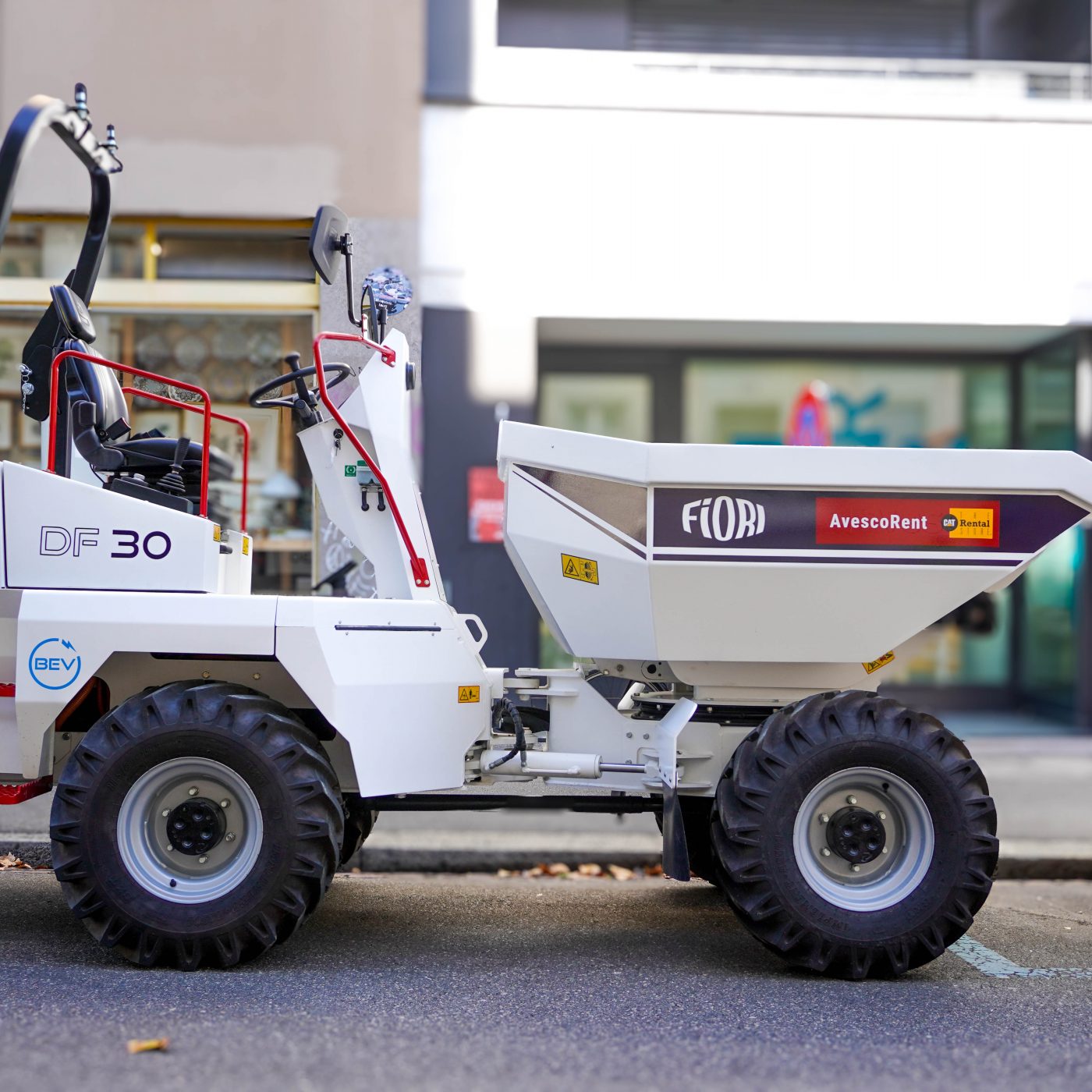
The Swiss construction sector is aiming for greater climate neutrality. A neutral platform will connect the players in the construction ecosystem and give them access to electric site machinery and transport vehicles.
To achieve Switzerland’s 2050 climate target, greenhouse gas emissions must be reduced. The building sector is responsible for 25% of emissions, of which 2% are attributable to construction machinery and transport vehicles, according to estimates based on the lifetime of a building (Kellenberger et al. 2022). Switching from diesel machines, equipment and vehicles to electric site machinery and transport vehicles will eliminate direct emissions of greenhouse gases and air pollutants, and reduce noise emissions. Only one low-emission worksite pilot project has been documented in Switzerland. This means that the electrification of building sites is less developed in this country than in other European countries. For example, Scandinavian cities are at the forefront of the transition to electric construction sites (Stokke et al. 2022a). As major building owners, they are setting new standards through regulations and stimulating innovation. Given that the complete revision of the Federal Law on Public Procurement (LMP) no longer awards the contract to the most economically advantageous bid, but to the most advantageous bid (art. 41 LMP / IVöB 2019) and that sustainability is explicitly mentioned in the article on the purpose (art. 2 LMP / IVöB 2019), Swiss cities will also be able to take on this pioneering role in the future.
For nine years at Avesco Rent, I have played a central role between the sales and procurement teams, while also maintaining strong connections with our clients and suppliers.
I ensure that our rental fleet remains efficient and up-to-date, providing our clients with high-quality equipment and a reliable, top-notch service.